






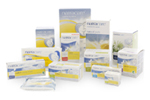




























 Over the last six years six of the best national certification bodies have been working on creating a European standard for organic and natural beauty products. The UK's Soil Association, Germany's BDIH, France's COSMEBIO and ECOCERT, Belgium's BIOFORUM and Italy's ICEA make up the European Cosmetics Standard Working Group. They collectively certify over 10,000 products. They've joined forces to help us distinguish between the flimsy marketing claims and the authentic truths of brands that make and sell products in the EU.
Unlike the Soil Association seal of approval products certified by Cosmos will not have to have a minimum organic ingredients. Products certified natural by Cosmos will not be able to contain parabens, phthalates, GM ingredients, and most petrochemical-based ingredients. They will have to use cleaner methods that minimise waste and create fewer by-products. It is not as strict as the Soil Associations organic standard but it is a start and is focused on the beauty and health care industry.
‘What we hope is that as things progress, the "natural" certification should serve as a stepping-stone to companies becoming certified as organic. Any sensible cosmetic company is looking at natural and organic cosmetics now - if they aren't they are getting behind the times,' said Francis Blake, director of Soil Association standards to the Ecologist recently.
The good thing about Cosmos is that it presents a unified EU body that looks specifically at natural skin care products. As more people begin to recognise and understand its significance, they will be able to make a more educated choice between fake natural products and truly natural products.
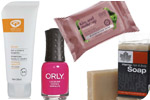
Look for beauty and health products with the seal of approval - from lipstick to cleansers to homeopathic remedies and essential oils.
For more information about the Cosmos standard click here.

